
[et_pb_section fb_built=”1″ admin_label=”section” _builder_version=”4.16″ global_colors_info=”{}”][et_pb_row admin_label=”row” _builder_version=”4.16″ background_size=”initial” background_position=”top_left” background_repeat=”repeat” global_colors_info=”{}”][et_pb_column type=”4_4″ _builder_version=”4.16″ custom_padding=”|||” global_colors_info=”{}” custom_padding__hover=”|||”][et_pb_text admin_label=”Text” _builder_version=”4.24.0″ background_size=”initial” background_position=”top_left” background_repeat=”repeat” hover_enabled=”0″ global_colors_info=”{}” text_font_size=”16px” header_2_font=”Rufina|700|||||||” sticky_enabled=”0″]
Dopamine: Key to Motivation, Nutrition, and Well-Being
Dopamine is an essential neurotransmitter in the brain that acts as a driving force for motivation, pleasure, and reward. This “chemical of pursuit” pushes us to explore, create, and achieve goals, but it can also trap us in unhealthy behavioral patterns if we don’t learn to manage it properly. As a nutritionist, it is vital to understand dopamine’s impact on both our diet and overall well-being.
Dopamine: Beyond Food
In the book Dopamine by Daniel Lieberman and Michael Long, the authors emphasize how this neurotransmitter drives not only our immediate desires (like eating or resting) but also our constant search for something greater. Dopamine helps us plan the future, learn new skills, and achieve ambitious goals. However, it can also become a trap: it’s easy to get caught in a cycle of constantly seeking gratification!
This cycle manifests in behaviors like excessive social media use, addiction to certain foods, or even activities like impulsive shopping. The key lies in balancing the dopaminergic system so it works in our favor, not against us.
Nutrition and Dopamine: A Crucial Relationship
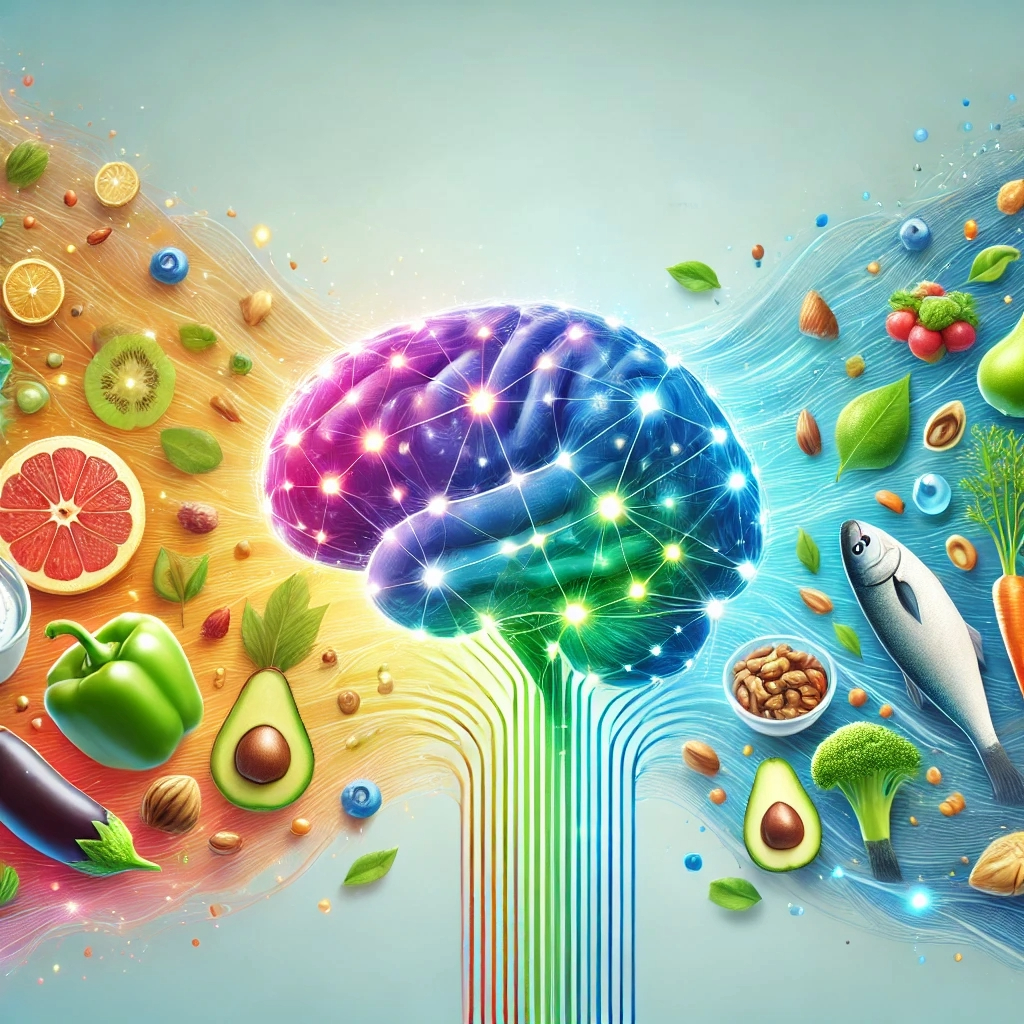
What we eat directly affects dopamine levels in the brain. Some essential nutrients help maintain a healthy balance of this neurotransmitter, while certain foods can disrupt it.
Foods That Support Dopamine Production:
- Proteins: Rich in tyrosine, an amino acid precursor to dopamine. Foods like eggs, turkey, chicken, fish, and cheese are excellent choices.
- Fruits and Vegetables: Bananas, beets, avocados, and spinach contain compounds that support dopamine synthesis.
- Healthy Fats: Fatty fish (like salmon), nuts, and seeds are crucial for brain health.
Foods to Avoid:
- Refined Sugars: Cause dopamine spikes followed by crashes, perpetuating the cycle of addiction.
- Ultra-Processed Foods: Can disrupt dopamine levels and contribute to brain inflammation.
Solutions to Reduce Addiction to the Dopaminergic System
The Liven app proposes strategies to create a dopaminergic balance that can also be applied to nutrition and lifestyle. Here are a few:
- Practice Gratitude: Spend a few minutes daily reflecting on what you already have. This reduces the need to seek external rewards.
- Minimalist Diet: Plan simple, balanced meals, eliminating superfluous foods that only temporarily stimulate dopamine.
- Time in Nature: Walking outdoors lowers cortisol levels and helps regulate the brain’s reward system.
- Digital Fasting: Reserve moments of the day to disconnect from screens and social media, reducing overstimulation of dopamine.
- Sustainable Routines: Introduce small daily habits like meditating, moderate exercise, or practicing yoga, which promote mental and physical balance.
In Search for Balance
Understanding dopamine allows us to make informed decisions to live better. From the foods we put on our plates to how we structure our days, every step matters. By adopting a balanced diet and self-care strategies, we can harness the power of dopamine to boost our motivation without falling into its traps.
Ready to embark on this journey toward balance? Make dopamine your ally, not your adversary.
[/et_pb_text][/et_pb_column][/et_pb_row][/et_pb_section]